
Products

 Products Overview
Newsela products are purpose-built to unlock student motivation, inspire teachers, and drive long-lasting learning outcomes.






Resources
About
Products OverviewNewsela products are purpose-built to unlock student motivation, inspire teachers, and drive long-lasting learning outcomes.
Everything you need to be successfully while using the Newsela suite of products.
Newsela launched in 2013 with a bold mission: Meaningful classroom learning for every student, every day. Today, our team constantly strives to deliver powerful solutions that inspire our users.

Sandwiched between Halloween and the winter holidays, Thanksgiving can get overlooked in lesson planning. But this holiday actually gives you plenty to work with. Whether your class is learning poetry skills, exploring the history behind familiar traditions, or investigating the science of food, it all ties back to a Thanksgiving theme.
Use these resources to build a Thanksgiving Day lesson plan for ELA, social studies, or STEM. The activities make room for different perspectives on the holiday and are versatile enough even if your students don’t celebrate (we see you, teachers with Chandler Bing students).
Plan your Thanksgiving ELA lessons around the reading and writing skills you want students to practice, but with a holiday twist. Use poetry to analyze tone and figurative language, historical accounts to compare perspectives, and research activities to explore how food and family traditions connect to culture.
Thanksgiving history is more complex than the familiar story many students already know. Use this text set to help them explore how different authors describe the holiday, challenge common misconceptions, and represent different cultural perspectives.
Ask students to compare information across multiple texts, identify supporting evidence, and discuss how the readings shape their understanding of Thanksgiving.
Newsela ELA
Browse the Thanksgiving Text Set by resource type to find readings for your lesson.
| Resource | Reading Level | Spanish? |
|---|---|---|
| The World’s Biggest Thanksgiving Disaster Fiction | 540L–560L | ✓ Yes |
| “Thanksgiving Day”: A poem by Lydia Maria Child Poem | 580L | |
| “A Song of Thanksgiving”: A poem by E. Barrie Kavasch Poem | ||
| “Thankfulness”: A poem by Dale Cross Purvis Poem | ||
| “America, I Sing Back”: A poem by Allison Adelle Hedge Coke Poem | 950L |
On smaller screens, scroll sideways to view the full table.
| Resource | Reading Level | Spanish? |
|---|---|---|
| A Native American poet reimagines Thanksgiving Article | 620L–1290L | |
| Opinion: Thanksgiving’s ties to safety and comfort Article | 580L–1230L | ✓ Yes |
| What was on the menu at the first Thanksgiving? Article | 480L–1170L | |
| Time Machine (1899): When Thanksgiving was weird Article | 450L–1190L | ✓ Yes |
| StoryCorps turning Thanksgiving into an oral history holiday Article | 400L–1250L | ✓ Yes |
On smaller screens, scroll sideways to view the full table.
| Resource | Reading Level | Spanish? |
|---|---|---|
| The first Thanksgiving Explainer | 430L–1170L | |
| They Sailed on the Mayflower and Struggled to Build a Home: the Pilgrims Explainer | 430L–1350L | ✓ Yes |
| Myths about the Mayflower Fact Sheet | 490L–1180L | |
| Primary Sources: Lincoln Declares Thanksgiving a National Holiday Proclamation | 540L–1350L | |
| Why we have globalization to thank for Thanksgiving Explainer | 600L–1380L | |
| Passeth ye cranb’rry sauce! The medieval origins of Thanksgiving Explainer | 620L–1240L |
On smaller screens, scroll sideways to view the full table.
Students can analyze this poem by examining how imagery and figurative language reveal the speaker’s tone and the poet’s purpose. Ask them to identify specific words or lines that support their interpretation rather than relying on a general impression of the poem.
Use this Newsela poetry lesson to examine how figurative language, imagery, and tone contribute to an author's purpose.
Introduce Allison Adelle Hedge Coke as an Indigenous poet, writer, and educator. Have students examine the Smithsonian cradleboard exhibition, closely read its captions, zoom in on the images, and record their observations.
Ask students to consider both the poem and the exhibition. Have them record an answer in their notebooks before discussing this question with their group:
Have students skim the PBS NewsHour article for additional context about the poem. Then discuss:
Start this activity with a Thanksgiving menu from 1898 and use it to introduce how details can shape our impressions of a holiday. Then have students read Emily Dickinson’s poem and infer the speaker’s feelings, citing specific words and structural choices that support their interpretation.
The key distinction is between what students personally associate with Thanksgiving and what the poem actually suggests. Initial impressions can start the discussion, but textual evidence should guide conclusions.
Analyze a historical Thanksgiving menu and Emily Dickinson's poem to practice making inferences supported by evidence. Adapted by Newsela from Poets.org's Teach This Poem series.
Invite students to share three words they associate with Thanksgiving. Students who don't celebrate Thanksgiving can choose another annual family holiday. Allow students to pass and share later if they prefer.
Show students the Thanksgiving menu from 1898. Ask them to record details they notice and compare observations with a partner. Then discuss:
Have students read the poem silently, noting words, phrases, and structural features that stand out. Ask them to record unfamiliar words and questions before comparing their observations with a partner.
Partners can work together to answer questions that came up during their first reading.
Use these questions to guide an evidence-based interpretation:
Have students read Newsela's Emily Dickinson biography. Then use the Connect, Extend, Challenge worksheet to reflect on how the biography connects to or changes their understanding of the poet and her work.
Provide the Image Analysis worksheet for students who need help organizing observations about the menu. The Connect, Extend, Challenge worksheet can also guide the extension.
Sentence starters
I noticed … which made me think …
When I read [line/image/word], I was reminded of…
The speaker feels… because…
Students can compare Thanksgiving perspectives by examining the familiar story of the first Thanksgiving alongside historical accounts that offer different interpretations. Have them identify each author’s claims and supporting evidence, then consider how those accounts influence what people believe about the holiday today.
Use claims, evidence, and visual sources to examine different accounts of the first Thanksgiving and consider how the holiday is represented today.
Open the Newsela Thanksgiving perspectives lesson. Assign students one of these readings:
Give students the Drawing with Writing worksheet. Ask them to illustrate what they imagine when they hear “The First Thanksgiving” and write one or two sentences explaining their drawing. Invite students to share if they wish.
Explore the Image Bank: Native American and Pilgrim relations and read the accompanying text aloud. Students choose one image and complete the Image Analysis worksheet.
Use the annotations to complete the Main Idea & Details worksheet. Have students develop three questions they still have about the first Thanksgiving or interactions between the two groups.
Then write one or two paragraphs explaining how many Americans view the first Thanksgiving today and what could help schools teach a fuller, more accurate account.
Give students another Drawing with Writing worksheet. Have them illustrate their updated understanding of the first Thanksgiving or another interaction between the groups. Display the before-and-after drawings and hold a gallery walk so students can see how their classmates' thinking developed.
Students can explore the connection between food and culture by researching traditional dishes, the occasions they’re associated with, and why they matter to different communities. The focus is on understanding the stories and traditions behind popular foods, not just naming them.
Perfect for grades 5–8, this research project gives students a chance to become food bloggers. They can turn their research into a blog post that explains a dish’s cultural significance, supports their findings with evidence, and invites classmates to share what they’ve learned.
Suggested grades: 5–8. Students research the cultural significance of traditional foods and present their findings through writing or a presentation.
Start with the Newsela food and culture research Text Set. Select from these graphic organizers as students plan, analyze, and synthesize their research:
Divide students into small groups and give each group a poster with the word “culture” in the center. Have them brainstorm associations, then share their ideas with the class. Use responses about food to introduce these research questions:
Assign two or three texts from the collection or allow students to choose. As they read, have them use:
Ask students to gather notes about why the dish matters, not just its ingredients or preparation.
Explain that students will act as food bloggers who have researched a cultural food tradition. Review examples of blog posts, then provide the Blog Post Planner.
Students should explain the food, its cultural significance, and what they learned from their sources. Circulate while they plan, and review their completed planners before they draft the final posts.
Have students publish their blog posts using a school-approved platform or complete the assignment on paper. Invite classmates to read and comment on one another's work. For offline projects, students can leave comments on sticky notes.
Finish with the Self-Reflection worksheet to gather students' reactions to the research process and project.
Thanksgiving's history goes beyond the familiar story of the Pilgrims and the first feast. Use these social studies lessons to help students investigate colonial America, understand Indigenous perspectives, and explore how Thanksgiving traditions have changed over time.
Elementary students can investigate Thanksgiving history by comparing what they already know about the holiday with details from a historical reading. Have them look for evidence about how the first Thanksgiving began, rather than relying on the familiar holiday story.
Use this Newsela elementary Thanksgiving lesson to introduce the history of the holiday through reading, discussion, and a class recipe magazine.
Ask students to record three words, two questions, and one drawing or symbol that represents what they know or think about when they hear “Thanksgiving.” Invite them to share their responses with the class.
Assign “The first Thanksgiving.” As students read, have them use one highlight color to mark details explaining why the first Thanksgiving gathering took place.
Have students think independently about the question below, discuss their answers with a partner, and then share with the class:
Encourage students to use details from the article to explain their answers.
Introduce Sarah Josepha Hale, a writer who helped popularize Thanksgiving by sharing recipes in her magazine. Invite students to create their own class Thanksgiving magazine.
Thanksgiving has changed from the 1621 harvest gathering into a holiday with traditions that developed over several centuries. Have students compare accounts of the Pilgrims and Wampanoag people, then investigate how holiday foods, celebrations, and national observances changed over time.
Use the Newsela Thanksgiving origins and past celebrations lesson to compare historical accounts and investigate the traditions people associate with the holiday today.
Have students discuss these questions with a partner, then share with the class:
Assign the core article and one additional article of each student's choice.
| Resource | Level / Runtime | Spanish? |
|---|---|---|
| Tribe helped Pilgrims survive for their first Thanksgiving; they still regret it years later Article | 610L–1240L | ✓ Yes |
| Primary Sources: Lincoln Declares Thanksgiving a National Holiday Proclamation | 540L–1350L | |
| Time Machine (1899): When Thanksgiving was weird Article | 450L–1190L | ✓ Yes |
Scroll left to right to see the full table.
| Resource | Level / Runtime | Spanish? |
|---|---|---|
| Why we have globalization to thank for Thanksgiving Explainer | 600L–1380L | |
| Passeth ye cranb’rry sauce! The medieval origins of Thanksgiving Explainer | 620L–1240L | |
| Thanksgiving dishes have deep, indigenous roots beyond the first feast Article | 270L–1410L | ✓ Yes |
| What was on the menu at the first Thanksgiving? Article | 480L–1170L | |
| The surprising origin of Thanksgiving foods Video | 5:09 |
Scroll left to right to see the full table.
What are some ways that the teaching of the origin of Thanksgiving could be improved so that all sides of the story are accurately considered and included? Cite at least one point from the text as evidence.
For younger students, Thanksgiving foods provide a familiar starting point for exploring the holiday’s history. Use a read-aloud to introduce the Wampanoag people, their food traditions, and how they helped the Pilgrims. The gratitude angle gives students another way to connect with the lesson. Even if their families don’t celebrate Thanksgiving, they can draw or write about something they appreciate.
Use the Newsela Thanksgiving lesson to explore the history of holiday foods and what it means to be thankful. Guiding question: How do people celebrate Thanksgiving?
Explain that Thanksgiving is a holiday in November when many U.S. families gather for a meal and give thanks. Ask:
Write “Thankful” and “Grateful” on the board and explain their meaning. Ask students to name something they appreciate. Record their contributions on a poster titled “We are thankful for…”
Explain that the Wampanoag people and Pilgrims shared food at a gathering now commonly associated with the first Thanksgiving. The Wampanoag had lived in the area now known as Massachusetts for thousands of years before the Pilgrims arrived. The Pilgrims struggled to find enough food, and the Wampanoag helped them learn to grow and prepare it.
Read “Cooking Pilgrim-style” aloud, pausing to discuss Indigenous foods, including corn, squash, and beans. Ask:
Review foods described in the lesson, including deer, turkey, fish, maple syrup, and corn. Discuss:
Have students draw and write simple words or sentences about something they're thankful for, such as a person, an object, or a food. Offer gratitude-themed word cards or picture dictionaries for vocabulary support.
Display completed drawings and messages around the room.
Thanksgiving lessons often focus on the Pilgrims, but life in the English colonies varied considerably by region. Use this text set to help students compare settlement patterns, religious beliefs, and daily life in New England, the Middle Colonies, and the Southern colonies.
Newsela Social Studies text set
Open the full text set, or browse the readings by topic below. The collection covers regional differences among the English colonies, religious life, and other aspects of colonial history.
| Resource | Reading Level | Spanish? |
|---|---|---|
| Settlement: The Origins and Legacy of the Pennsylvania Quakers Explainer | 540L–1450L | ✓ Yes |
| Early British colonies in America Explainer | 550L–1140L | ✓ Yes |
| They Sailed on the Mayflower and Struggled to Build a Home: the Pilgrims Explainer | 430L–1350L | ✓ Yes |
| Primary Sources: John White Searches for the Lost Colonists of Roanoke Report | 580L–1610L | ✓ Yes |
| The Middle Colonies, between New England and the South Explainer | 610L–1280L | ✓ Yes |
| 17th-century English settlers in Southern colonies had little to be thankful for Explainer | 580L–1270L | ✓ Yes |
| Common characteristics of the New England colonies Explainer | 520L–1280L | ✓ Yes |
Scroll left to right to see the full table.
| Resource | Reading Level | Spanish? |
|---|---|---|
| Puritan Life and Dissent in Colonial New England Explainer | 550L–1220L | ✓ Yes |
| The Great Awakening: A religious revival in the American colonies Explainer | 540L–1120L | ✓ Yes |
Scroll left to right to see the full table.
| Resource | Reading Level | Spanish? |
|---|---|---|
| Enslavement in the New England colonies Explainer | 600L–1370L | ✓ Yes |
| Slave ship artifacts loaned to National African American History Museum Article | 710L–1330L | |
| United Nations unveils slavery memorial Article | 720L–1420L | ✓ Yes |
| How slavery became the economic engine of the South Explainer | 460L–1190L | ✓ Yes |
Scroll left to right to see the full table.
The Pilgrims’ arrival is one part of a much larger story about European settlement in North America. Use this text set to help students compare why different colonies formed, how they developed, and how settlers interacted with Indigenous communities.
Newsela Social Studies text set
Open the full text set or choose readings below to examine the reasons for early European settlements in North America, relationships with Native peoples, and the development of colonial communities and institutions.
| Resource | Reading Level | Spanish? |
|---|---|---|
| First European contacts in North Carolina Explainer | 580L–1210L | |
| They Sailed on the Mayflower and Struggled to Build a Home: the Pilgrims Explainer | 430L–1350L | ✓ Yes |
| Early British colonies in America Explainer | 550L–1140L | ✓ Yes |
| Settlement: The Origins and Legacy of the Pennsylvania Quakers Explainer | 540L–1450L | ✓ Yes |
| Settlement: Jamestown and the founding of English America Explainer | 580L–1470L | ✓ Yes |
| The first European settlements in the Shenandoah Valley in Virginia Explainer | 550L–1300L | |
| New France Made its Mark in America, from Explorers to Fur Traders to War Explainer | 560L–1310L | ✓ Yes |
Scroll left to right to see the full table.
| Resource | Reading Level | Spanish? |
|---|---|---|
| The Colonia Virginia frontier and Native American diplomacy Explainer | 580L–1190L | ✓ Yes |
| The New England colonies and Native Americans Explainer | 560L–1390L | ✓ Yes |
| Self-government in the New World: the Mayflower Compact Explainer | 540L–1210L | ✓ Yes |
Scroll left to right to see the full table.
| Resource | Reading Level | Spanish? |
|---|---|---|
| Enslavement in the New England colonies Explainer | 600L–1370L | ✓ Yes |
| The indispensable role of women at Jamestown settlement Explainer | 540L–1240L | ✓ Yes |
| Puritan Life and Dissent in Colonial New England Explainer | 550L–1220L | ✓ Yes |
| Muslims of early America Explainer | 440L–1220L |
Scroll left to right to see the full table.
The Wampanoag people understood how to grow and gather food in their homeland long before the Pilgrims arrived. When they shared some of that knowledge with the English settlers, it helped the newcomers survive and shaped the history behind the gathering often called the first Thanksgiving.
That knowledge came from generations of caring for the land and its resources. Use this text set to help students explore how Indigenous communities continue protecting traditional foods, forests, and wildlife today.
Use Indigenous Endeavors: Stewardship to examine what Indigenous communities care for, how they care for it, and what they hope to achieve. For related lessons, explore the Indigenous Endeavors Collection.
Explain that stewardship means managing or taking care of something, such as a natural or cultural resource. Invite students to think about why people might take responsibility for protecting a resource.
Have students choose one or two articles from the text set below. As they read, highlight:
| Resource | Reading Level | Spanish? |
|---|---|---|
| Navajo researcher is restoring Indigenous peaches to the Southwest Article | 580L–1280L | |
| Native American seeds being reunited with their tribes Article | 560L–1350L | |
| Native Americans embracing “decolonized diet” to fight diabetes Article | 720L–1150L | |
| Reviving Navajo identity, one sheep at a time Article | 580L–1110L |
Scroll left to right to see the full table.
| Resource | Reading Level | Spanish? |
|---|---|---|
| Students and scientists work together to maintain Navajo Nation forests Article | 560L–1420L | |
| Bison spread as Indigenous tribes reclaim stewardship Article | 600L–1360L | |
| A burning question—California Indians’ use of fire Explainer | 720L–1270L | ✓ Yes |
| California and Australia look to Indigenous land management for fire help Article | 600L–1420L | ✓ Yes |
| Indigenous communities bring knowledge and solutions to conservation efforts Article | 590L–1490L |
Scroll left to right to see the full table.
Pair students who read different articles. Have them discuss:
Ask students to write a two-minute speech about one topic they read about. Include:
The first Thanksgiving is just one moment in the much longer history of Indigenous peoples in the Northeast. Use this text set to introduce students to the histories, traditions, and cultural practices of different Native American communities.
Students can also explore how these communities maintain their cultural identities and advocate for their rights today. This helps extend Thanksgiving lessons beyond the Pilgrims and the events of 1621.
Newsela Social Studies text set
Explore the full text set, or select readings by topic below. The collection centers on Native American peoples of the Northeast and includes additional perspectives from eastern North America.
| Resource | Reading Level | Spanish? |
|---|---|---|
| Native American Cultures: The Northeast Indigenous Group Profile | 600L–1200L | ✓ Yes |
| Native American History: The Iroquois people Indigenous Group Profile | 390L–970L | |
| Meet the Mi’kmaq people of Maine Indigenous Group Profile | 660L–1330L | |
| Native American History: The Algonquian peoples Indigenous Group Profile | 380L–950L | |
| The Carolina Algonquian Indigenous Group Profile | 600L–1290L | |
| Tuscarora: Most powerful, highly developed Native American tribe in Eastern N.C. Indigenous Group Profile | 610L–1370L |
Scroll left to right to see the full table.
| Resource | Reading Level | Spanish? |
|---|---|---|
| The original people of the Northeast Explainer | 580L–1250L | |
| Wabanaki basketmaking, arts and culture of the Northeast Article | 580L–1370L | |
| Native American History: Diversity among the tribes Explainer | 380L–960L | |
| The Great Turtle: Iroquois Origin Story Myth/Legend | 430L–910L | ✓ Yes |
| Peoples and cultures of early North America Explainer | 660L–1310L | ✓ Yes |
| The League of the Iroquois Created a United Social Order of Many Nations Explainer | 620L–1510L | |
| American Indian culture and tradition brought to life Article | 590L–1280L |
Scroll left to right to see the full table.
| Resource | Reading Level | Spanish? |
|---|---|---|
| Tribes could get more fishing, court and gambling rights in changes to landmark Maine settlement Article | 600L–1600L | ✓ Yes |
| Tribe in Virginia uses new federal status to protect its heritage Article | 600L–1140L |
Scroll left to right to see the full table.
Thanksgiving dinner brings up plenty of science questions before anyone takes a bite. Where do the ingredients come from? Why does heat change their texture? What happens to food after we eat it? Use familiar foods to explore these questions through investigations, experiments, and visuals.
Thanksgiving dinner offers a familiar way to introduce the food supply chain. Students can trace how ingredients move from farms through processing and distribution before reaching grocery stores or restaurants.
Educator Megan Panek designed this text set for students in grades 10–12 to examine challenges facing the food system. Then, they’ll choose one issue to investigate through paired readings.
Use the Newsela food supply chain lesson to investigate how food reaches our tables and the challenges involved in producing and distributing it.
Start with the 3:02 video “The Food Supply Chain” in the Newsela lesson. Discuss its four stages:
Watch “Why do we need to change our food system?” (3:46). The video introduces four issues:
Ask students where these issues might arise along the supply chain.
Have students select one issue from the four research topics below: future of farming, food industry workers, processed food, or food waste. Expand their chosen topic to find its two articles.
Paired readings
Each topic contains two articles. Review the reading levels and Spanish availability before assigning the pair.
| Resource | Reading Level | Spanish? |
|---|---|---|
| High tech down on the farm | 960L–1360L | |
| From farm to school's dining hall | 540L–1060L |
Scroll left to right to see the full table.
| Resource | Reading Level | Spanish? |
|---|---|---|
| Fast-food protesters want minimum wage increase on front burner | 390L–1300L | ✓ Yes |
| Farmers fret about getting workers under immigration plan | 780L–1360L |
Scroll left to right to see the full table.
| Resource | Reading Level | Spanish? |
|---|---|---|
| Ultra-processed foods make up far too much of America's diet, experts say | 480L–1280L | ✓ Yes |
| It's not the fast-food making US kids obese, study says | 740L–1610L |
Scroll left to right to see the full table.
| Resource | Reading Level | Spanish? |
|---|---|---|
| Half of all U.S. food produce is wasted | 610L–1350L | ✓ Yes |
| The rise of “zero-waste” restaurants | 540L–1210L | ✓ Yes |
Scroll left to right to see the full table.
Assign both articles in the chosen topic. Students should set each article to a reading level they're comfortable with. As they read:
Have students complete both article quizzes and both Write prompts in Newsela.
Cooking can cause physical changes, such as melting or altering shape. It can also cause chemical changes, like browning or the formation of new substances. Use this text set to explore heat, pressure, and changes in matter to consider how food changes throughout the cooking or baking process.
Use the Newsela cooking science lesson to explore how heat, pressure, energy, and changes in matter help explain everyday cooking.
Watch the slow-motion video of a popcorn kernel popping (2:17). Ask students:
Read “The science of cooking offers lessons bursting with flavor.” Have students:
Have students create a comic strip explaining either how a popcorn kernel pops or why cutting an onion makes eyes water. In each panel, students should sketch what happens and add explanatory labels.
Students can draw their own panels or use the Write a Comic worksheet.
On the back of the comic, students list ways cooking and science are similar. Ask them to support their explanations with information from the article.
The digestive system moves food through the body, breaks it down, and absorbs nutrients. In this lesson, students can explore how organs, tissues, and enzymes work together after we eat to get us the fuel we need to think, work, and play.
Use the Newsela digestive system lesson to explore how the digestive system's cells, tissues, and organs work together to process food.
Give students the Notice, Wonder, Connect graphic organizer. Have them complete the first two columns while watching Path of Food Through the Digestive System.
Ask for at least three noticings and two wonderings. Give students time to finish, then invite them to discuss their observations with a partner or the class.
Use the three Newsela articles to investigate organs, the movement of food, and digestive enzymes. Give students these article-specific annotation tasks:
Return to the Notice, Wonder, Connect organizer. Students complete the third column by connecting details from their readings to what they observed in the digestive system video.
Give each student a large sheet of poster board or butcher paper. Have them draw an outline of the human body or torso, then sketch and label the parts of the digestive system in their approximate locations.
After students finish their diagrams, give them five minutes to respond to this prompt:
What would happen if one organ within the digestive system was removed? Try to use at least three different organs as examples. What do these examples teach you about how the health of the body depends on its different parts working together?
Invite students to share their responses with a partner or the class.
Hands-on food experiments let students observe the science behind their food before and after it reaches the dinner table. Making butter shows how physical processes can change a food’s texture, while compositing helps students investigate how microorganisms break down organic material and recycle nutrients.
Hands-on STEM activities
Choose a butter-making activity to investigate changes in cream or a composting activity to explore how organic materials break down. Open an activity to review its materials and related content.
Use simple supplies and some arm strength to make homemade butter from heavy cream. Have students describe how the cream's appearance and texture change.
Newsela activity
Ready to make butter? Open the activity and related recipes in Newsela.
Make a composting jar to investigate food waste. Green waste provides mostly nitrogen-based materials, while brown waste provides mostly carbon-based materials. With air and moisture, microbes break down the organic matter over time into nutrient-rich material that can support plant growth.
Newsela activity
Ready to start composting? Open the activity and related resources in Newsela.
Generation Genius science videos help students connect Thanksgiving foods to concepts like heat transfer, physical and chemical changes, plant growth, and how the body uses food for energy. Choose a video that matches their grade band, then use a familiar food or cooking process to make the science connection concrete.
Science video resources
Open a grade band to find videos that connect food and cooking to science concepts. Use each connection to introduce a discussion or follow up after viewing.
| Video | Grade Band | Runtime | Thanksgiving food connection |
|---|---|---|---|
| Heating and Cooling | K–2 | 10:42 | Ask students what changes when food is heated or cooled during preparation and serving. |
| Parts of a Plant | K–2 | 10:59 | Use corn, squash, beans, and cranberries to identify which plant parts people eat. |
| Plant Growth Conditions | K–2 | 12:31 | Trace familiar foods back to the conditions plants need to grow. |
| Pollination and Seed Dispersal | K–2 | 11:08 | Explore how flowering plants and pollination help produce foods served at Thanksgiving. |
Scroll left to right to see the full table.
| Video | Grade Band | Runtime | Thanksgiving food connection |
|---|---|---|---|
| Chemical vs. Physical Changes | 3–5 | 15:00 | Have students classify changes to ingredients during chopping, mixing, melting, baking, and cooking as physical or chemical changes. |
| How Do We Use Food | 3–5 | 12:52 | Discuss how food provides energy and nutrients for the body. |
Scroll left to right to see the full table.
| Video | Grade Band | Runtime | Thanksgiving food connection |
|---|---|---|---|
| Chemical Reactions | 6–8 | 12:34 | Connect browning and baking to chemical reactions during cooking. |
| Heat: Transfer of Thermal Energy | 6–8 | 15:06 | Examine how ovens, pans, and boiling water transfer thermal energy to food. |
| Intro to Thermal Energy | 6–8 | 15:20 | Use temperature and particle motion to explain why foods heat up. |
| Photosynthesis & Respiration | 6–8 | 16:58 | Trace the energy in plant-based foods back to photosynthesis. |
Scroll left to right to see the full table.
More science videos
Looking for another topic? Browse the full Generation Genius Science collection in Newsela.
PhET simulations let students investigate how matter changes when heated or cooled and how energy moves between objects. After exploring a simulation, students can connect what they observe to familiar cooking processes, such as melting butter, boiling water, or warming food in an oven.
Interactive STEM resources
| Simulation | Connection to Thanksgiving cooking |
|---|---|
| States of Matter: Basics | Connect heating and cooling to familiar changes during food preparation, such as melting, freezing, and boiling. |
| States of Matter | Extend the same food-science investigation with a more advanced states-of-matter model. |
| Energy Forms and Changes | Explore thermal energy and energy transfer, then connect the model to cooking and heating food. |
Scroll left to right to see the full table.
More interactive science
Want to explore another concept? Browse PhET simulations in Newsela.
Science diagrams help students visualize the processes behind getting familiar foods to the Thanksgiving table. From changes in matter during cooking to the way plants grow, pair a diagram with a Thanksgiving food example, then ask students to explain the scientific connection using details from the visual.
Science diagram resources
Open a topic to choose diagrams for a food science lesson, investigation, or discussion.
| Diagram | Grade Level | Thanksgiving food connection |
|---|---|---|
| Physical and chemical changes | 4–12 | Use it with a cooking investigation to classify chopping, melting, and mixing alongside browning and baking. |
| Examples of chemical reactions | 4–12 | Help students explain how some cooking processes create new substances instead of only changing shape or temperature. |
| The states of matter | 4–12 | Support observations of solids, liquids, melting, boiling, and cooling during food preparation. |
| Energy transformations | 4–5 | Trace how energy changes form during cooking and in kitchen appliances. |
| The two types of mixtures | 2–5 | Possible extension: Connect mixtures to food preparation with a deliberately planned classroom activity. |
Scroll left to right to see the full table.
| Diagram | Grade Level | Thanksgiving food connection |
|---|---|---|
| The parts of a flowering plant | 2–5 | Connect edible plant foods to roots, stems, leaves, flowers, fruits, and seeds. |
| The process of pollination | 4–8 | Explore how pollination makes many food crops possible. |
| The process of photosynthesis | 4–8 | Trace the energy in plant-based foods back to sunlight. |
| What does a plant need? | 2–5 | Connect familiar foods to the conditions plants need to grow. |
Scroll left to right to see the full table.
More visual science resources
Need another diagram? Explore the Science Diagrams collection in Newsela.
Thanksgiving activities can open the door to deeper learning about history, culture, literature, and science. With Newsela Learning Suite, you can bring that same curiosity into lessons all year long with news articles, primary sources, literature selections, interactive videos, and more.
Not using Newsela yet? Sign up for free and start your 45-day trial to explore premium content and activities for Thanksgiving and beyond.


Plan Native American Heritage Month lessons with poems, stories, paired texts, and activities that center Indigenous voices.
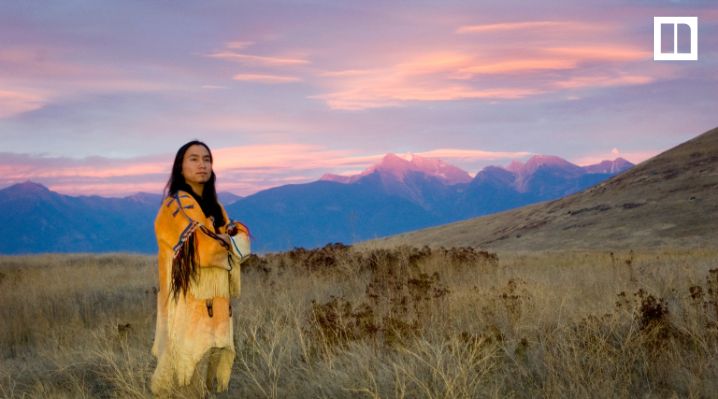
Find Native American Heritage Month facts and social studies resources to help students learn about Indigenous cultures, history, leaders, and advocacy.
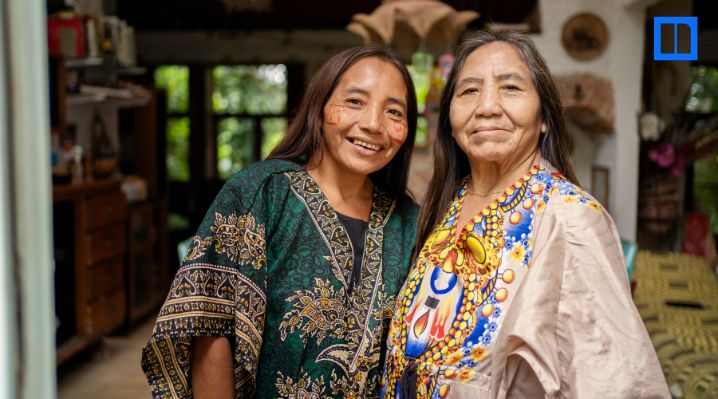
Help students explore Native American contributions in STEM through Newsela science resources on scientists, conservation, space, and heirloom seeds.